
Buying a Home in University City: What to Check First
Buying a home in University City? Learn how to check property records, taxes, permits, school assignments and everyday access before making a decision.
By University City Living Editors · Published October 18, 2026 · 5 min read

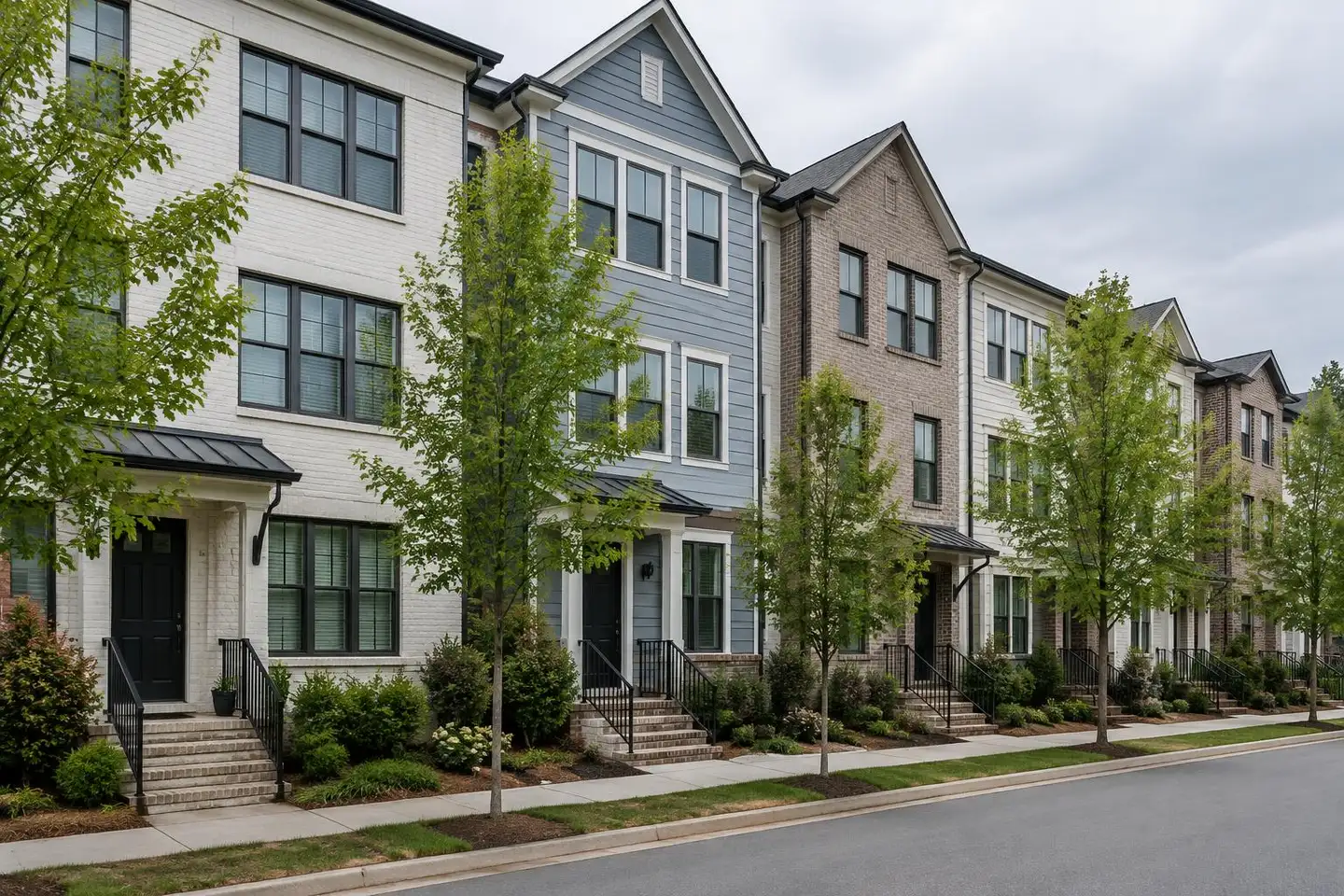
Illustrative image.
Buying a home in University City starts with the address
Buying a home in University City means looking beyond listing photos and neighborhood labels. A useful review connects the property’s official record with its physical condition, ownership obligations and fit for your daily routine. Start an address-specific file before you become attached to a particular house, townhome or condominium. Keep the listing, disclosures, official records and unanswered questions together. This makes it easier to compare properties on the same evidence rather than on whichever tour felt most appealing.
Use [Mecklenburg County Polaris property maps](https://polaris3g.mecklenburgcountync.gov/) to locate the property and identify its parcel, then cross-check the address and parcel information with the [Mecklenburg County Assessor](https://www.mecknc.gov/AssessorsOffice). For homes advertised as in University City versus near University City, ask what location the listing actually describes; neither phrase substitutes for a verified address. Treat an online parcel outline as a research aid, not proof of where you may build a fence or where shared access ends. Ask your closing attorney whether a survey or further title review is appropriate for the property.
- Record the street address and parcel identifier together.
- Save the source and date of each record you review.
- Turn discrepancies into written questions instead of assuming the listing or map is correct.
Separate the asking price from the tax picture
The asking price, assessed value and your likely ownership costs answer different questions. Review the county’s property record to understand what is recorded for the home, but do not treat an assessment as a market appraisal or a promise about a future tax bill. If the recorded characteristics appear inconsistent with the listing or what you toured, ask the seller for an explanation and confirm the relevant record with the Assessor’s office. A discrepancy is a reason to investigate, not automatic evidence that something is wrong.
Build your budget around verified expenses rather than the payment estimate displayed beside a listing. Ask your lender how property taxes and insurance are being estimated, and whether the estimate relies on information specific to your purchase. Where applicable, request current association dues and information about additional assessments directly from the association or its authorized representative. Obtain your own insurance quote. Keep any unresolved tax, insurance or association question visible in your budget rather than filling the gap with an optimistic assumption.
Check permits and nearby land-use questions
A finished room, enclosed porch or renovated kitchen can be attractive without answering the paperwork questions that matter to a buyer. Ask which alterations were made, what documentation exists and whether the work required permits or inspections. Use the [City of Charlotte](https://www.charlottenc.gov/) as an official starting point for zoning and development questions, and ask which permitting authority holds the relevant records for that address and type of work. Do not interpret a missing online search result as proof that no permit was required or that a project received approval.
Apply the same care to land around the property. If an adjacent parcel or a nearby project could affect your decision, identify the specific site rather than relying on a broad description such as “future development.” Ask the appropriate official office about current zoning, any documented proposal and its status. Existing conditions, permitted uses and a proposed project are not interchangeable. Keep dated copies of the information you receive, and recognize that an undeveloped view is not a guarantee that nearby land will remain unchanged.
Match public records with inspections and ownership documents
Public records cannot tell you whether a roof needs attention, water collects beside a foundation or a heating system performs properly. Use a qualified home inspector to evaluate the property, and discuss specialist follow-up when the inspection raises questions. During your own visits, note visible drainage paths, retaining walls, shared driveways and outdoor structures so you can ask focused questions. Do not enter adjoining land or assume that a fence marks the legal property line. If a feature matters to your intended use, verify it through the appropriate professional and documents.
For a property with an association, request the governing documents and available financial and maintenance information before relying on a listing’s description of what dues cover. Ask who maintains roofs, exterior walls, private roads, drainage features and shared spaces where applicable. If you plan to rent the property, change landscaping, add a structure or alter the exterior, review the relevant restrictions and approval requirements. Have your closing attorney clarify easements, shared-access arrangements and recorded restrictions. The goal is to understand what you would own, what you would maintain and what requires permission.
Verify school assignments and test everyday access
If school assignment affects your decision, use the exact address in the [CMS school assignment lookup](https://www.cmsk12.org/Page/1022). Confirm the result with CMS for the school year relevant to your move, particularly if the address is new, incomplete or produces an unclear result. Do not substitute a listing’s school field, the nearest school building or another household’s assignment for official verification. Keep assignment questions separate from questions about enrollment, program eligibility and transportation, and ask CMS to clarify each issue that matters to your plans.
Then test the property against your actual routine. Travel to your regular destinations at the times you expect to leave, and inspect the approach to the home as well as the route beyond it. If you expect to walk somewhere, check the usable path, crossings and entrance rather than relying on straight-line distance. Observe driveway access, visitor parking and any shared access arrangements. A home marketed as near a destination may still involve an inconvenient trip; decide from the route you would use, not the proximity language alone.
Next steps
Use the [Living in University City guide](/university-city) to orient your search, then turn the checks above into an address-by-address worksheet. Mark each item as verified, awaiting a response or needing professional review. For school-related questions, the [Schools & Education verification guide](/living/schools-education) provides a focused next step. Recheck consequential details with the official source before relying on them, especially when your move date, a development proposal or the information in a listing changes.
If your search includes attached homes, use the [Townhomes guide](/homes/townhomes) to frame further questions about the property type, then verify the actual ownership and maintenance arrangements in the documents for that home. The [Moving to University City checklist](/living/moving-checklist) can help organize the transition once your purchase plans become clearer. Before committing, bring unresolved issues to your agent, inspector, lender or closing attorney as appropriate. Ask which questions need answers before your next contractual deadline, rather than allowing important checks to drift into the moving stage.
Frequently asked questions
- Where should I start checking a University City property?
- Locate the address and parcel in Mecklenburg County Polaris, then cross-check the property information with the County Assessor. Keep discrepancies on a written question list and verify them with the relevant official office.
- Does the county’s assessed value tell me what to offer?
- No. An assessment is not a market appraisal or a recommended offer. Evaluate the asking price separately with current property-specific market information and advice from your real estate professional.
- Can I rely on the school assignment shown in a listing?
- Use the CMS assignment lookup for the exact address and confirm with CMS for the relevant school year. Ask separately about enrollment, program eligibility and transportation.
- Does an online parcel map replace a survey?
- No. Use the map to orient your research, not to settle boundary, fence or shared-access questions. Ask your closing attorney whether a survey or additional title review is appropriate.
- What if I cannot find permit records for a renovation?
- Ask the seller for documentation and contact the appropriate permitting authority. An unsuccessful online search does not establish whether permits were required, issued or completed.
Your Next Chapter
Where to Go From Here
If your checklist turns up projects, or you are ready to start looking, these are the next places to explore.
These businesses are part of our network, not independent recommendations. See every website in the collection.
Related guides & stories

Northeast Charlotte
Living in University City, Charlotte

Schools
Schools & Education: How to Verify
Housing type
Townhomes in University City

Checklist
Moving to University City: A Practical Checklist

Living & Relocation
Using the Blue Line for Everyday Trips from University City

Outdoors
Planning a Weekend Morning on the Mallard Creek Greenway

Real Estate
Why a ZIP Code Doesn't Tell You Which Neighborhood You're In

Area guides
Neighborhoods
More from the Journal
Real Estate
Why a ZIP Code Doesn't Tell You Which Neighborhood You're In
October 18, 2026 · 5 min read
Living & Relocation
Using the Blue Line for Everyday Trips from University City
October 18, 2026 · 5 min read
Outdoors
Planning a Weekend Morning on the Mallard Creek Greenway
October 18, 2026 · 4 min read